Decoding Clearance Pathways: How Transaction Choices Shape Promotional Credit Access in App-Driven Live Environments
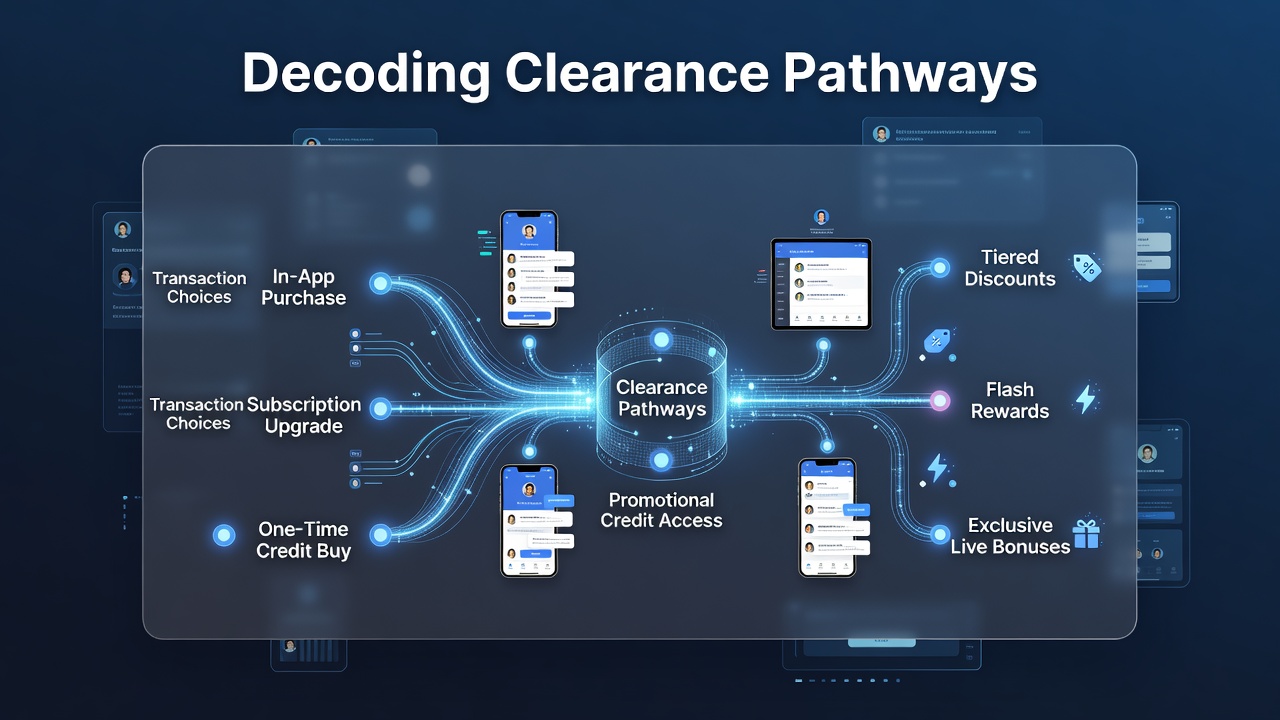
Transaction pathways in app-driven platforms determine how quickly promotional credits become available for live dealer sessions, and payment method selections often dictate the speed of verification steps that precede credit activation. Data from industry monitoring services shows that electronic wallet transfers clear verification protocols in under two minutes on average during July 2026 while bank transfers require additional authorization layers that extend the process to several hours. Observers note that these timing differences directly influence when players gain access to bonus funds in real-time streaming environments where game rounds advance rapidly.
Mapping the Clearance Sequence
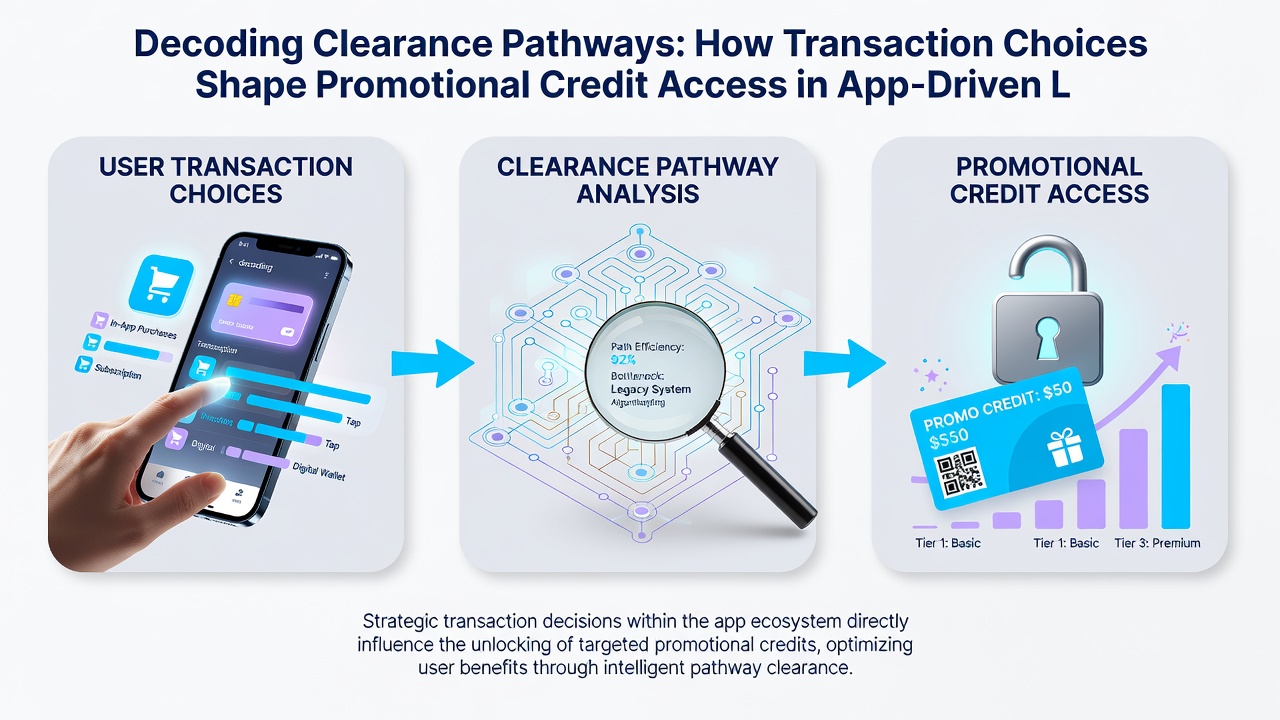
Clearance sequences begin with deposit confirmation then move through automated risk assessment modules before promotional credits appear in player accounts, and each stage responds differently depending on the originating payment rail. App developers integrate API connections to payment processors that flag certain card types for extra compliance checks while routing e-wallet deposits through pre-verified channels that bypass intermediate reviews. Researchers at academic institutions tracking digital payment flows have documented how these automated distinctions alter the window between deposit and playable credit by measurable margins across multiple operator platforms.
Payment Method Effects on Credit Timing
Credit and debit card transactions trigger sequential authorization calls that sometimes insert holds lasting from minutes to full business days, whereas instant bank transfer services and digital wallets complete ledger updates in seconds because their backend systems already maintain verified user profiles. Those who've examined transaction logs across European markets report that prepaid voucher redemptions often receive the fastest initial credit posting yet face stricter single-use limits that restrict repeated bonus activations within the same session. In contrast, cryptocurrency options introduce blockchain confirmation delays that average twelve minutes yet eliminate traditional banking verification steps entirely once the network accepts the block.
Live Environment Specific Constraints
Live dealer applications maintain continuous video streams that demand uninterrupted account balances, so any lag in promotional credit clearance interrupts participation in time-sensitive table games where betting windows close quickly. Platform operators address this by embedding real-time status indicators inside the app interface that display clearance progress alongside active tables, allowing users to switch between payment rails mid-session when one method stalls. Industry reports compiled by the European Gaming and Betting Association indicate that operators who surface multiple payment choices within the live lobby experience higher session continuation rates because players can pivot to faster rails without exiting the application.
One documented pattern involves debit card users encountering temporary authorization blocks during peak evening hours when processor traffic spikes, and these blocks prevent bonus credits from appearing until the next settlement cycle completes. Digital wallet users avoid the same congestion because their transactions route through dedicated priority channels that gaming apps negotiate in advance with providers. What's interesting is how these technical arrangements create visible differences in bonus availability that players observe directly through in-app notifications rather than through external support channels.
Regional Variations in Processing Standards
North American jurisdictions enforce distinct settlement rules that require additional identity cross-checks for card-based deposits, extending clearance timelines compared with regions that accept e-wallet pre-approvals as sufficient proof of funds. Australian regulatory filings reveal that operators must log every transaction method change during bonus periods, creating audit trails that indirectly influence how aggressively platforms promote certain payment options over others. Canadian provincial frameworks meanwhile emphasize consumer protection disclosures that list expected clearance windows for each accepted method, giving players advance notice before they commit to a deposit.
App developers respond to these regional rules by configuring dynamic menus that surface only locally compliant payment options while hiding rails that would trigger extended reviews. This configuration reduces friction for users who select methods aligned with their jurisdiction's processing norms. Those monitoring compliance updates throughout 2026 have tracked how operators adjust these menus following quarterly regulatory bulletins that clarify acceptable verification thresholds for promotional credit releases.
Integration of Real-Time Status Tools
Modern applications embed progress trackers that update every thirty seconds during the clearance interval, displaying both deposit confirmation and bonus activation stages in a single dashboard view. These tools connect directly to payment processor webhooks so that status changes appear without requiring manual refresh actions by the user. Observers note that transparent tracking reduces support ticket volume because players receive visual confirmation that their chosen transaction rail is progressing rather than stalled.
Operators that publish average clearance durations per method within help sections further assist decision-making at the deposit screen, and data collected during July 2026 shows measurable uptake differences between methods listed with timing estimates versus those presented without such details. The presentation of this information occurs through neutral factual labels rather than promotional language, maintaining compliance while guiding users toward rails that match their immediate session goals.
Conclusion
Transaction selections establish the operational parameters that govern promotional credit access within app-driven live environments, with processing characteristics of each payment method creating distinct timelines from deposit to playable balance. Regulatory frameworks across multiple regions continue to shape how operators configure these pathways, while technical integrations determine the visibility players receive during active clearance periods. Data compiled from payment processors and platform analytics consistently illustrates that method choice remains the primary variable affecting when bonus funds become usable in continuous live dealer sessions.