Digital Wallet Pathways Enabling Seamless Access to Mobile Live Dealer Tables
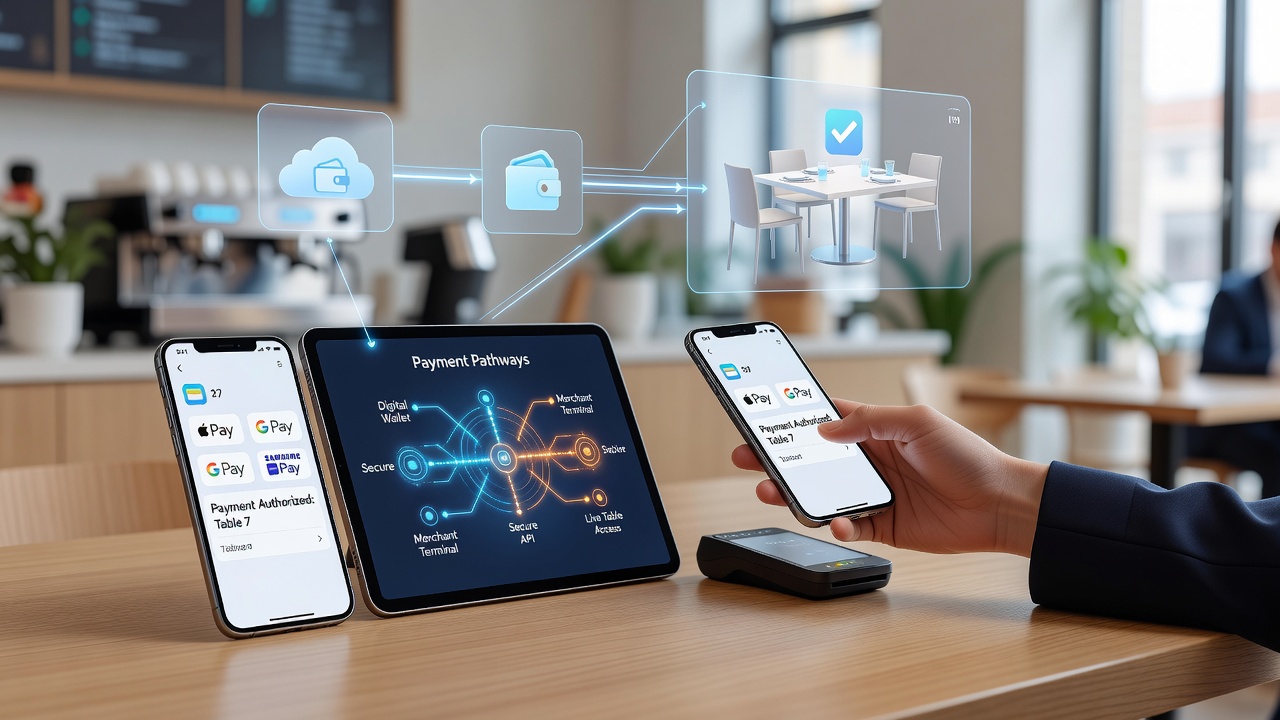
Payment pathways that connect digital wallets to live table access on portable devices rely on secure API frameworks, tokenization protocols, and real-time authorization systems that allow players to fund sessions without leaving the app interface. These connections operate through encrypted channels where wallet providers authenticate transactions in milliseconds, then relay confirmation to the live dealer platform hosted on remote servers. Observers note that mobile operators have refined these links over recent years to support both traditional fiat wallets and emerging digital asset options, creating smoother entry points for table games streamed in high definition.
Core Technical Components of Wallet-to-Table Integration
Developers build these pathways around standardized interfaces such as RESTful APIs and WebSocket connections that maintain continuous data flow between the wallet backend and the casino's game server. Tokenization replaces sensitive card details with unique identifiers, reducing exposure during each transfer while the portable device maintains an active session with the live dealer feed. Data from industry reports indicates that processing times have dropped below three seconds in optimized systems, allowing participants to join blackjack or roulette tables almost immediately after selecting a stake amount.
Security layers include biometric verification through device sensors alongside multi-factor checks that align with standards set by payment networks. When a player initiates a deposit from within the mobile application, the system routes the request through PCI-compliant gateways before confirming availability of funds and updating the live table balance in real time. Researchers at institutions like the University of Nevada, Las Vegas have examined similar integration models, finding that reduced latency correlates directly with higher session retention across tested platforms.
Regional Regulatory Influences on Payment Flows
Authorities in various jurisdictions shape how these pathways function by imposing licensing conditions on both wallet operators and gaming platforms. In Australia the Northern Territory Government maintains oversight through its gambling control frameworks, requiring documented audit trails for every wallet-to-table transaction. Similar requirements appear in Canadian provincial regulations, where bodies such as the Alcohol and Gaming Commission of Ontario enforce data localization rules that affect how portable devices exchange authorization tokens across borders.
European frameworks add another dimension through directives that mandate consumer protection features like spending limits and transaction logging. These rules influence the design of mobile interfaces so that users receive clear prompts before funds move from a digital wallet into a live dealer environment. Observers tracking industry shifts note that operators often adjust their backend systems ahead of scheduled policy updates, with several preparing modifications scheduled for rollout around July 2026.
Mobile Device Considerations and User Experience
Portable devices introduce variables such as network variability and operating system differences that payment pathways must accommodate. Developers employ adaptive routing that switches between cellular and Wi-Fi connections without interrupting the live video stream or the wallet authorization sequence. Case examples from major platform providers show that incorporating progressive web app technology allows users on both iOS and Android to access the same wallet-linked table environment without separate native downloads.
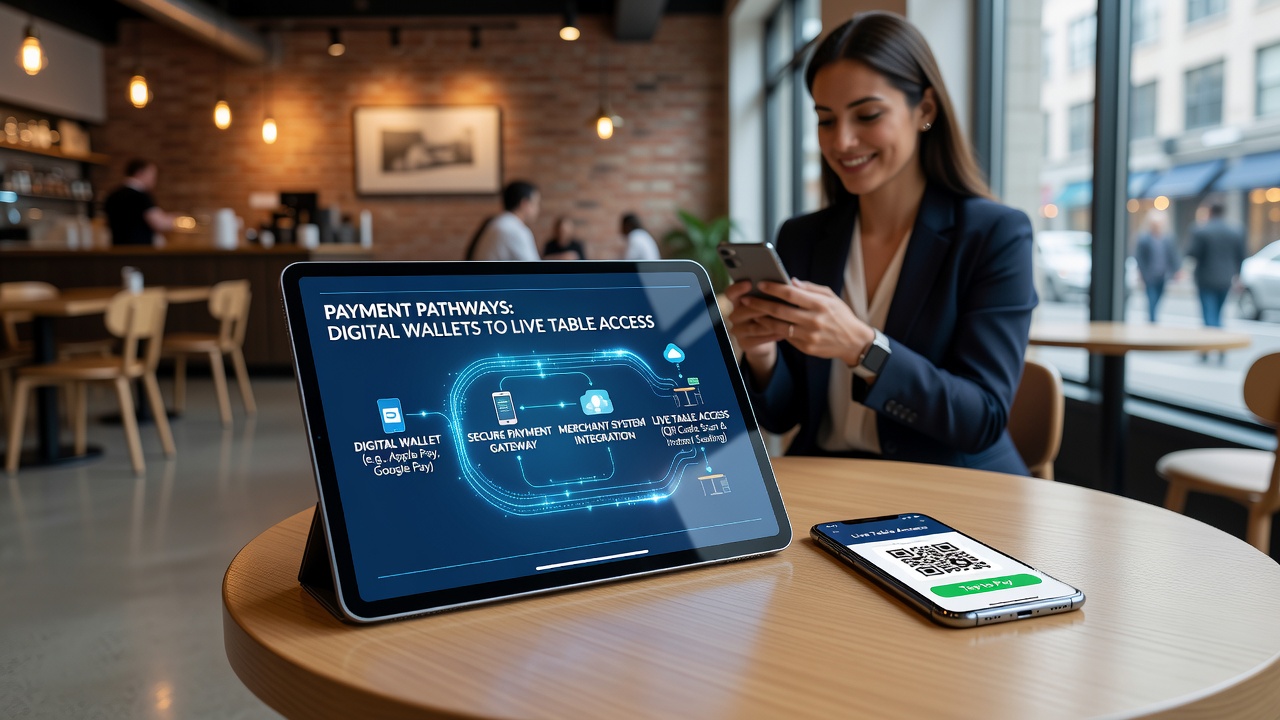
Performance testing conducted by independent labs reveals that optimized pathways maintain frame rates above 30 frames per second for dealer video even while processing concurrent wallet updates. Those who've studied mobile gaming infrastructure emphasize the role of edge computing nodes that cache authentication data closer to the user, shortening round-trip times during peak hours. This architecture supports features like instant top-ups that let players add funds mid-hand without exiting the table view.
Emerging Trends in Wallet Connectivity
Integration with contactless payment standards continues to expand, allowing some portable devices to authorize table access through near-field communication when paired with compatible wallets. Industry associations such as the European Gaming and Betting Association have documented pilot programs testing these hybrid approaches across multiple operator networks. Figures from recent sector analyses indicate that adoption rates for such combined systems grew steadily through early 2026, driven by improvements in device hardware security modules.
Cross-border considerations also factor into pathway design, since currency conversion and compliance checks must occur without delaying live table entry. Platforms achieve this through pre-verified wallet profiles that store regulatory status alongside preferred funding sources, enabling quicker handshakes when a user travels or switches devices. Academic papers examining these systems highlight how machine learning models now predict potential authorization failures and reroute requests before users notice any disruption.
Conclusion
Payment pathways linking digital wallets to live table access on portable devices continue to evolve through combined advances in API design, security protocols, and regulatory alignment. Data shows consistent reductions in transaction friction across tested environments, while geographic variations in oversight ensure that implementations remain adaptable. As mobile hardware capabilities expand, these connections stand to support increasingly complex live dealer interactions without compromising speed or compliance standards.