Inside the Quiet Mechanics Linking Achievement Milestones to Portable Platform Dynamics Across Britain's Digital Gaming Spaces
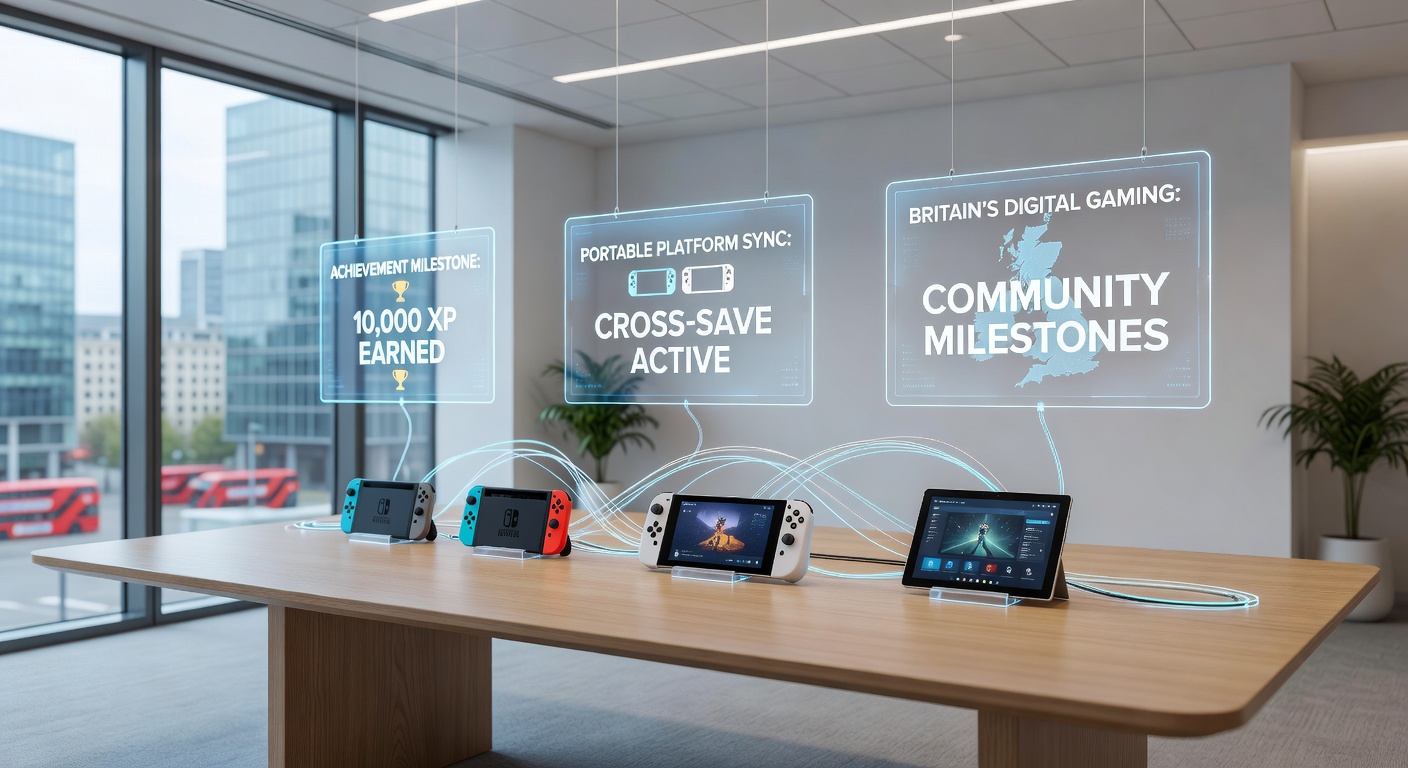
Digital gaming across Britain continues to evolve through intricate systems that connect player achievements directly to the operational frameworks of portable platforms, and developers have refined these linkages over successive years to accommodate shifting user behaviors on smartphones and tablets. Data from industry monitoring bodies shows steady growth in mobile game engagement throughout 2025 and into early 2026, with particular emphasis on how milestone tracking integrates with device-specific features such as push notifications, offline sync capabilities, and cross-device progress preservation.
Platform dynamics in this space rely on backend architectures that process achievement data in real time while respecting the constraints of mobile hardware, and companies like those operating major app stores have implemented standardized APIs that allow seamless updates without disrupting gameplay flow. Observers note that British studios often prioritize compatibility with both iOS and Android ecosystems, which enables consistent milestone progression regardless of the operating system version or network conditions prevalent in urban and rural areas alike.
Core Components of Achievement Integration
Achievement milestones function as structured markers within game code that trigger specific platform responses, and these triggers typically activate when players reach designated scores, complete sequences of challenges, or accumulate in-game resources over extended sessions. Research indicates that such mechanics draw from established software patterns where event listeners monitor user actions and relay information to cloud servers for validation, thereby maintaining data integrity across multiple devices used by the same individual.
Portable aspects introduce additional layers because games must handle interruptions like incoming calls or battery thresholds without losing tracked progress, and developers address this through local caching combined with periodic server reconciliation. Figures from European digital entertainment reports reveal that over 65 percent of active mobile titles in the UK market incorporate at least basic milestone systems by mid-2026, reflecting a broader trend toward layered reward structures that encourage repeated engagement.
Platform-Specific Adaptations in British Contexts
Britain's digital gaming environment presents unique considerations due to varying data regulations and consumer expectations around privacy, which influence how achievement data gets stored and transmitted between devices and central servers. In May 2026 several major platforms rolled out enhanced encryption protocols for milestone records following updates from international standards organizations, ensuring compliance while preserving the speed required for instant feedback loops during play.
Those who analyze usage patterns have observed that games optimized for portable hardware often embed dynamic scaling features, adjusting milestone difficulty based on detected screen size or processor capabilities to deliver equitable experiences. This approach prevents fragmentation across the diverse range of devices common among UK players, from high-end flagships to more modest models still prevalent in certain demographics.

What's interesting is the role of third-party analytics services that aggregate anonymized milestone completion rates and feed insights back to developers for iterative refinements. According to a collaborative study released by the University of Melbourne's Digital Games Research Centre, these aggregated datasets help identify friction points where players abandon certain achievement paths, prompting targeted adjustments in subsequent updates.
Data Flows and Synchronization Processes
Synchronization between portable devices and remote servers forms the backbone of reliable milestone tracking, and protocols such as those outlined in reports from the Canadian Interactive Digital Software Association emphasize efficient delta updates that transmit only changed data rather than full profiles. This method reduces bandwidth demands during peak hours when British users engage most heavily with mobile titles, typically in the evenings after standard work schedules conclude.
Developers further enhance these flows by incorporating fallback mechanisms that allow partial offline milestone recognition, with full validation occurring once connectivity resumes. Such resilience proves essential in regions where signal coverage fluctuates, yet it requires careful calibration to avoid discrepancies that could frustrate users attempting to resume sessions on different hardware.
Industry associations based in Australia have documented similar synchronization strategies gaining traction globally, with UK implementations often incorporating localized elements like integration with national time zones for time-limited challenges tied to milestone unlocks. These adaptations ensure relevance without compromising the core mechanics that link individual progress to broader platform capabilities.
Future Trajectories for Integrated Systems
Emerging technologies continue to reshape how achievement milestones interface with portable platforms, and artificial intelligence modules now assist in personalizing milestone sequences based on historical play data while maintaining compliance with data protection frameworks. Observers tracking developments through 2026 highlight pilot programs testing augmented reality overlays that visualize milestone progress directly on device screens during active sessions.
These innovations build upon established foundations yet introduce new variables around processing demands and battery efficiency, prompting ongoing collaboration between hardware manufacturers and software creators. The result manifests in smoother transitions between different game environments and sustained user interest across extended periods.
Conclusion
Mechanics connecting achievement milestones to portable platform dynamics have become foundational elements within Britain's digital gaming landscape, supported by robust data handling practices and adaptive design principles that accommodate diverse user needs. Continued refinement through international research inputs and technological upgrades positions these systems for further expansion, maintaining relevance as device capabilities advance and player expectations shift.