Mapping Achievement Paths: Tiered Loyalty Programs Reshaping Mobile Play in Britain
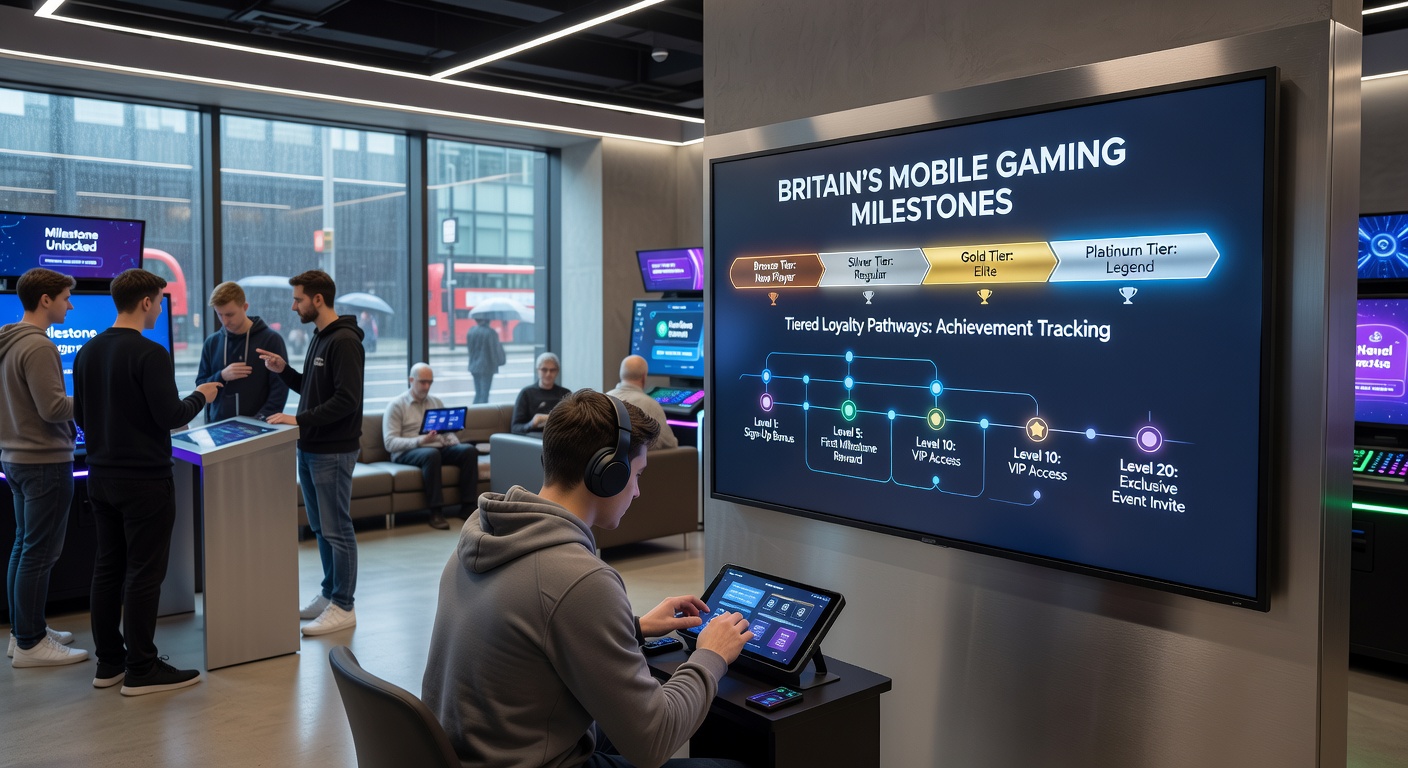
Britain's mobile gaming venues have developed intricate loyalty frameworks that record player progress through successive achievement layers, and these systems rely on data-driven pathways to convert routine activity into measurable rewards. Operators structure participation around accumulating points from wagers, session duration, and specific game interactions, which then unlock incremental status levels. The process creates a continuous record of milestones that players can review in real time through dedicated app dashboards.
Core Mechanics of Tiered Progression
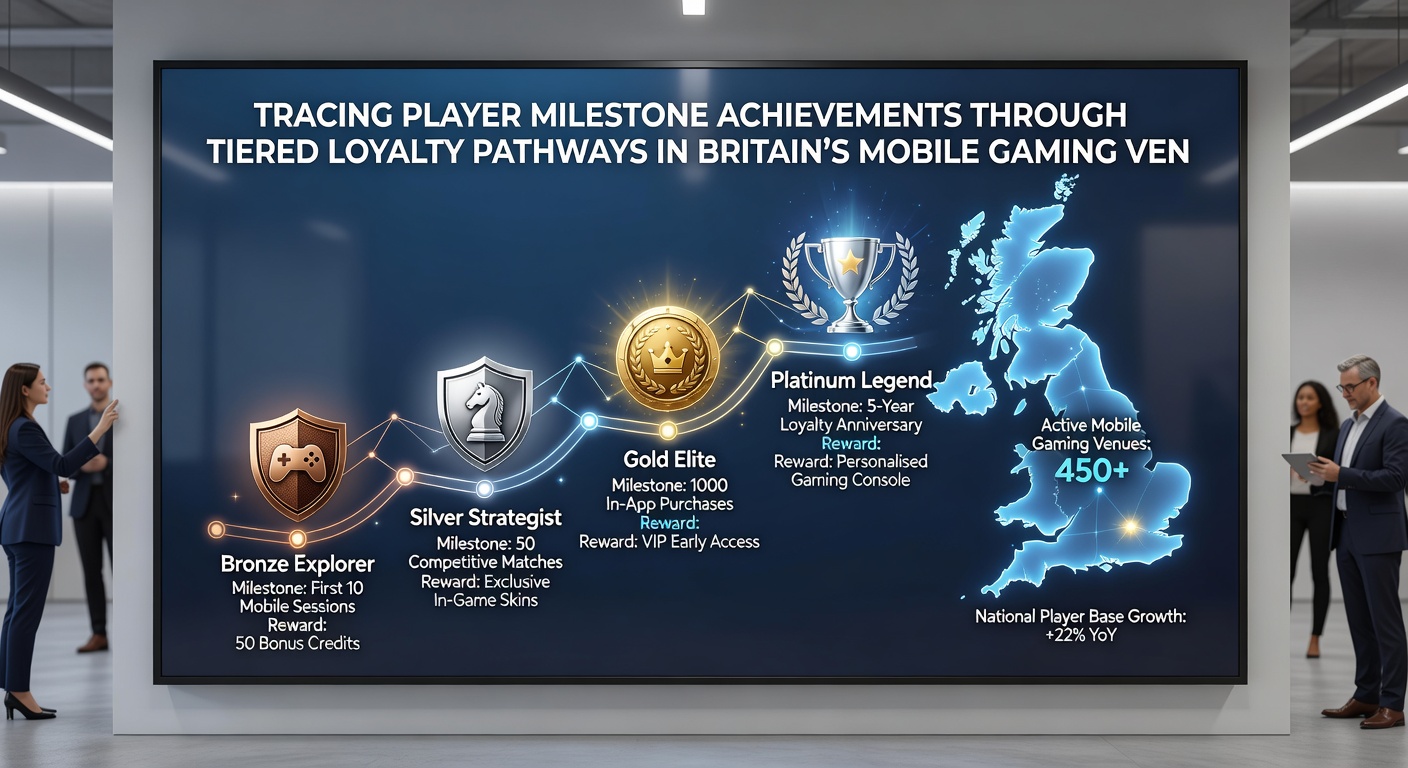
Each loyalty pathway begins with an entry-level status that registers initial deposits and first spins, after which points accrue according to predefined formulas tied to game type and stake size. Silver tiers typically require a set number of active days within a calendar month combined with a minimum points threshold, while gold and platinum levels demand higher cumulative activity across multiple weeks. Observers note that these thresholds adjust periodically based on platform analytics, allowing operators to balance retention incentives with operational costs.
Milestone tracking incorporates both quantitative metrics and qualitative triggers, such as completing a sequence of distinct game categories or reaching a personal deposit streak. Mobile apps display progress bars that update after every qualifying action, and players receive automated notifications when they near the next tier boundary. This visibility encourages sustained engagement because users can see exactly how additional playtime translates into status elevation.
Data Collection and Milestone Verification
Backend systems log every transaction and game outcome against individual accounts, creating an auditable trail that supports milestone validation. When a player hits a predetermined target, such as 500 loyalty points or ten consecutive days of activity, the platform automatically issues corresponding rewards ranging from bonus credits to exclusive tournament access. Researchers at institutions like the University of Nevada, Las Vegas have documented similar verification processes in global gaming markets, highlighting the importance of transparent record-keeping for maintaining user trust.
Integration with third-party analytics tools further refines milestone accuracy by cross-referencing device data, location signals, and play patterns to prevent duplicate crediting or fraudulent activity. In practice, this means a player switching between tablet and smartphone receives seamless credit for ongoing progress without manual intervention from support teams.
Mobile-Specific Adaptations in British Venues
British operators have tailored loyalty pathways to the constraints and opportunities of mobile environments, where shorter but more frequent sessions predominate. Push notifications prompt users to complete near-term goals like "three more spins to reach daily milestone," while geolocation features sometimes tie bonus multipliers to specific regions or events. These adaptations reflect broader industry shifts toward personalization that keep pathways relevant even during brief commutes or lunch breaks.
By May 2026, several major platforms had introduced dynamic tier resets tied to seasonal campaigns, allowing players who maintain consistent mobile activity throughout spring to carry partial progress into summer promotions. Such timing aligns with observed peaks in user engagement during holiday periods and major sporting events that draw additional traffic to live casino sections.
Comparative Examples Across Venues
Take one operator whose mobile platform awards extra points for live dealer participation, accelerating advancement through tiers during evening hours when table traffic rises. Another venue emphasizes slot-based milestones, granting status boosts after a player triggers a set number of bonus rounds across different titles. These variations demonstrate how pathways can be customized while still following the same underlying principle of progressive achievement tracking.
Industry reports from the American Gaming Association indicate that similar tiered structures in other regions have produced measurable increases in average session length when milestones are clearly communicated. British venues apply parallel logic, though they incorporate stricter responsible gaming prompts that pause progression displays if spending limits are approached.
Future Developments and Integration Trends
Emerging updates scheduled for late 2026 focus on deeper integration between loyalty data and artificial intelligence models that predict when a player is likely to reach the next milestone. Such forecasting allows platforms to offer timely nudges, such as a limited-time point multiplier, without overwhelming users with generic messages. External studies, including those referenced by the International Gaming Association, suggest these predictive elements can improve retention rates when implemented transparently.
Cross-platform compatibility represents another area of active development, enabling players to maintain a single loyalty profile across multiple affiliated mobile venues. This consolidation reduces friction for users who enjoy variety while preserving the integrity of milestone records through centralized verification servers.
Conclusion
Tiered loyalty pathways in Britain's mobile gaming venues function as structured systems for recording and rewarding player milestones through consistent data tracking and tier advancement rules. The combination of real-time dashboards, automated verification, and mobile-optimized triggers creates an environment where progress remains visible and attainable. As these frameworks continue to evolve with seasonal adjustments and predictive tools, they maintain focus on measurable activity metrics that support both player engagement and regulatory compliance across the sector.