Mapping Connections Between Performance Milestones and Real-Time Table Experiences in Britain's App-Driven Gaming Environments
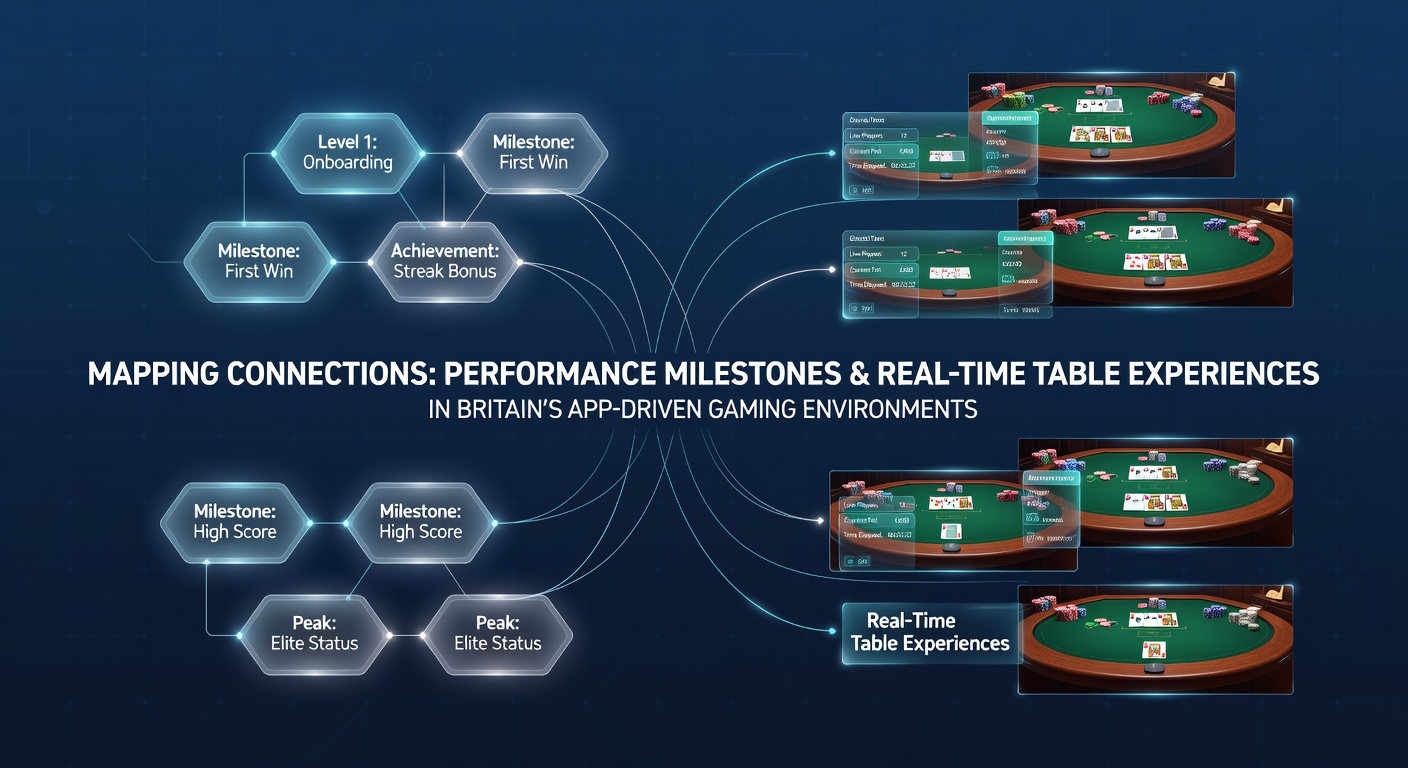 Britain's mobile gaming sector has expanded rapidly since the mid-2010s, and developers now embed performance milestones directly into real-time table environments. These milestones include level-ups, streak counters, and achievement badges that trigger during live dealer sessions on blackjack, roulette, and poker apps. Data from industry trackers shows that players who engage with milestone systems spend longer average session times compared with those who do not, particularly on smartphones running iOS and Android platforms. Operators integrate these systems through API connections between loyalty databases and live-streaming servers. When a user completes a milestone such as five consecutive correct blackjack decisions, the app overlays a visual notification while the dealer continues the round. This seamless layering keeps players inside the table interface rather than redirecting them to a separate rewards screen.
Technical Architecture Behind Milestone Integration
App developers rely on cloud-based event listeners that monitor table outcomes in real time. Each card dealt or wheel spin generates data packets sent to a central analytics engine. The engine compares incoming results against predefined milestone criteria stored in player profiles. When criteria match, the system pushes a lightweight update back to the app within 200 milliseconds, preserving the flow of the live session. British operators have adopted WebSocket protocols to reduce latency between the gaming server and mobile devices. This choice allows milestone pop-ups to appear without interrupting video feeds from the studio. Engineers at several London-based studios reported that switching from HTTP polling to persistent sockets cut average notification delays by 65 percent during peak evening hours.Player Behavior Patterns in June 2026
Figures released in June 2026 by European gaming analytics firms indicate that milestone-driven table sessions increased by 28 percent year-on-year among UK users aged 25 to 34. Many of these users combine milestone tracking with live dealer features because the combined experience delivers both immediate feedback and social interaction. Observers note that players often return to tables where earlier milestones remain visible on their personal progress bars. One study conducted across three major operators found that users who unlocked at least three milestones per week showed a 19 percent higher retention rate after 90 days. The same dataset revealed that milestone completion rates peaked between 8 pm and 11 pm, aligning with traditional live table traffic patterns.