Tracing Digital Player Pathways: Deposits, Rewards, and Live Game Transitions
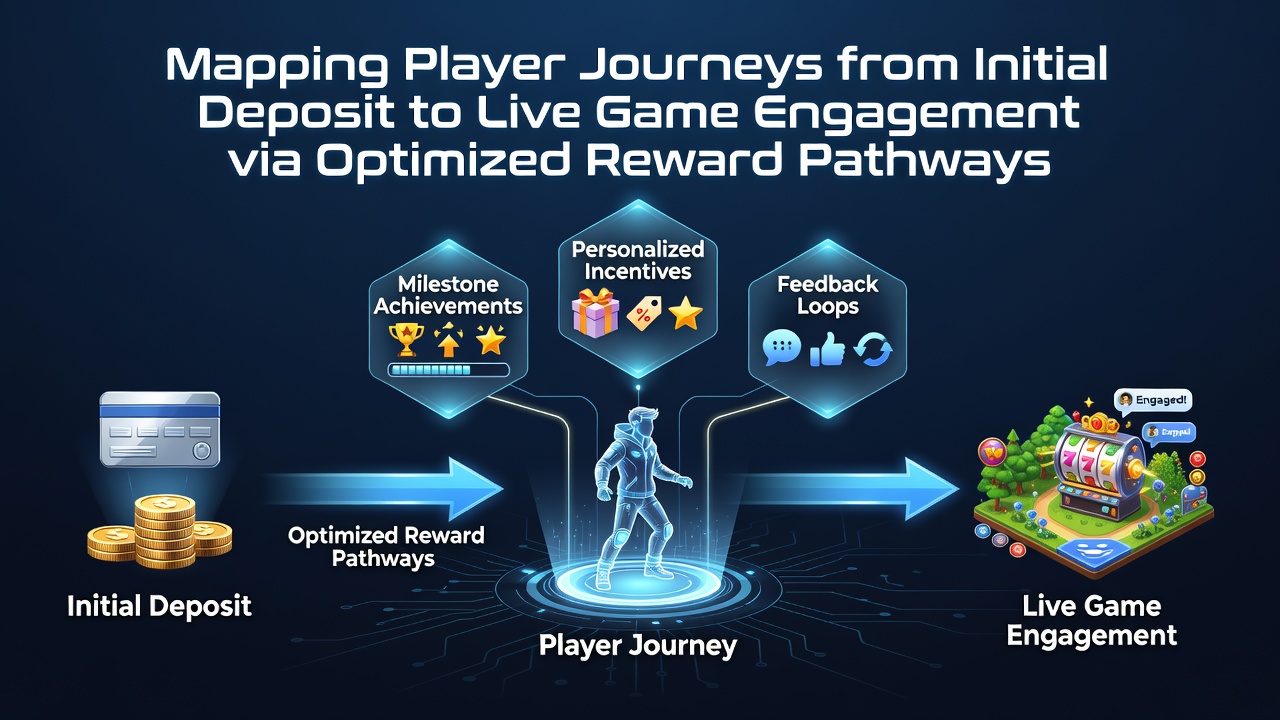
Industry analysts track player movements across digital platforms by charting each step that begins with an initial deposit and progresses toward sustained participation in live dealer environments, and optimized reward systems serve as the connectors that guide these transitions without abrupt interruptions. Data from multiple markets shows that structured pathways reduce drop-off rates between funding an account and entering interactive sessions, while reward mechanics adjust in real time based on player behavior patterns.
Defining Player Journey Mapping in Gaming Platforms
Player journey mapping involves documenting touchpoints from account creation through deposit, bonus activation, and eventual live game entry, and operators rely on these maps to identify friction points that interrupt flow. Researchers at institutions such as the University of Nevada, Reno have examined how sequential reward triggers maintain momentum, and their findings indicate that clear progression markers increase completion rates from deposit to first live spin or table entry. These maps incorporate variables including deposit size, time spent reviewing offers, and selection of game type, which allows platforms to refine sequences for different user segments.
Initial Deposits as the Entry Point
The deposit stage marks the first financial commitment, and systems log details such as payment method, amount, and timing to establish baseline profiles. Once funds clear, automated pathways activate introductory rewards that align with the deposited value, and this linkage encourages immediate exploration of available options. Observers note that platforms using tiered deposit acknowledgments see higher follow-through into bonus rounds, because the reward presentation matches the scale of the initial action without requiring extra navigation steps.
Designing Reward Pathways for Continuity
Optimized reward pathways function through conditional triggers that unlock after specific actions, and these triggers convert deposit activity into playable credit that funnels toward live formats. For instance, a deposit might unlock a set of free rounds on digital slots, with remaining credit then routed toward live tables once wagering thresholds clear. Data shows that pathways incorporating progressive multipliers sustain engagement longer than flat rewards, because each completed stage releases incremental value that keeps the sequence active. Platforms adjust these pathways based on aggregated metrics, shifting reward emphasis toward live dealer formats when player logs indicate preference for real-time interaction.
Transition Mechanisms Toward Live Engagement
Live game entry occurs after reward conditions resolve, and seamless handoffs rely on interface prompts that appear at the moment bonus balances become eligible for table play. Systems display live dealer availability alongside remaining credit, which reduces the cognitive load of switching formats. In June 2026 industry summaries released by the American Gaming Association, reports highlighted that platforms integrating live lobby access directly into reward completion screens recorded measurable increases in session duration across monitored regions.
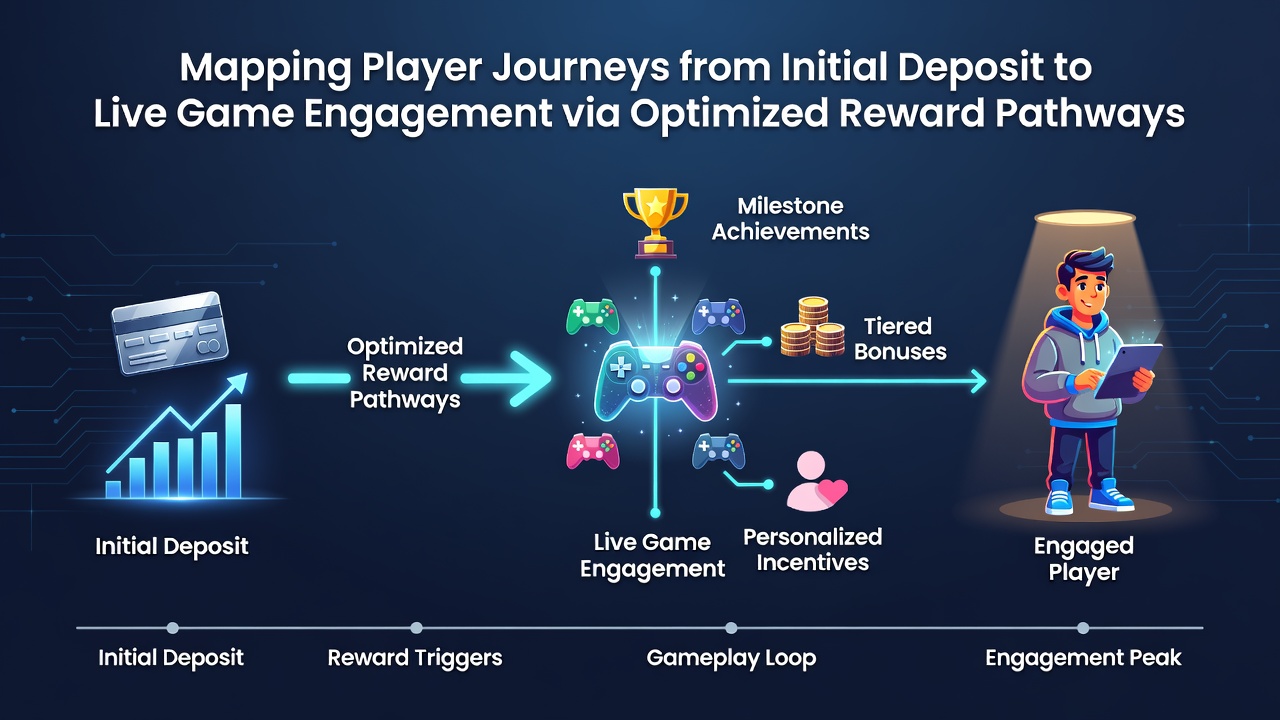
Those who have studied retention patterns point out that timing matters, and pathways that surface live options before bonus expiration prevent credit from remaining unused in slot-only environments. External analyses from the Canadian Gaming Association further support that coordinated reward-to-live transitions correlate with elevated repeat visit rates when the handoff occurs within a single continuous session.
Analytical Tools Supporting Pathway Optimization
Operators deploy tracking software that records completion rates at each stage of the mapped journey, and these tools generate heat maps of where players pause or exit. Adjustments follow from the data, such as repositioning reward displays or altering eligibility windows to match observed behavior. Academic reviews, including work published through the International Gaming Institute, emphasize that iterative testing of reward sequences yields measurable gains in live game participation when changes address documented drop points rather than assumed preferences.
Regional Variations in Pathway Implementation
Different jurisdictions apply distinct rules around bonus structures and live game availability, which influences how pathways are constructed. European markets often feature stricter wagering requirements that extend the reward phase before live access opens, whereas North American platforms tend to emphasize quicker conversions to live tables once deposits process. These differences appear in cross-border comparisons, and pathway designers account for local compliance when scaling reward logic across multiple sites.
Conclusion
Mapping player journeys from deposit through optimized rewards to live engagement provides operators with a framework for maintaining continuity across digital sessions. The process relies on sequenced triggers, real-time adjustments, and data-informed refinements that align financial entry points with interactive outcomes. As platforms continue refining these systems, documented patterns from various regulatory environments demonstrate consistent emphasis on reducing interruptions between each mapped stage.